


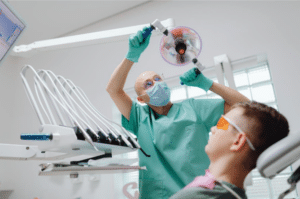
 Nearly 74% of adults skip their recommended dental checkups, yet a single preventive visit can detect up to 15 different oral health conditions before they become serious problems. According to the American Dental Association’s 2024 report, emergency dental visits have increased by 23% over the past three years—largely due to issues that routine checkups could have caught early.
The shift toward preventive healthcare has transformed dental practices, especially in urban centers like downtown Pittsburgh, where busy professionals often delay care until problems become painful and expensive. What many people don’t realize is that modern dental checkups with a local dentist in downtown Pittsburgh go far beyond cleaning teeth—they’re comprehensive health evaluations that can detect everything from oral cancer to early signs of diabetes.
The stakes are higher than most realize. Untreated dental issues don’t stay confined to your mouth. Research consistently links poor oral health to cardiovascular disease, stroke, and pregnancy complications. For the thousands of professionals working in Pittsburgh’s business district, understanding what happens during a dental checkup isn’t just about dental health—it’s about protecting their overall wellbeing and avoiding costly emergency interventions.
Here’s what you can expect when you walk into a modern downtown Pittsburgh dental office, and why these visits represent one of the most effective preventive health measures available today.
What Are Dental Checkups and Why Do They Matter?
A dental checkup isn’t just someone looking at your teeth for a few minutes. It’s a systematic evaluation of your entire oral health system—teeth, gums, jaw, throat, and surrounding tissues. Think of it as a comprehensive diagnostic session that identifies problems before they cause pain, require expensive treatment, or impact your overall health.
The fundamental importance lies in early detection. Your mouth harbors over 700 different bacterial species, and the environment changes constantly based on diet, stress, medications, and overall health. A cavity that’s barely detectable today can require a root canal six months from now if left untreated. Gum disease, which affects nearly half of American adults over 30, often progresses silently until it’s advanced enough to cause tooth loss.
Modern preventive dentistry has shifted from reactive treatment to proactive health management. Dental professionals can now detect oral cancer in its earliest stages, identify grinding patterns that could fracture teeth, and spot signs of systemic diseases like diabetes or autoimmune conditions. The mouth often shows the first symptoms of these broader health issues.
Downtown Pittsburgh dental offices have embraced this preventive approach because their patient base—busy professionals who can’t afford unexpected health crises—demands efficiency and thoroughness. A 45-minute checkup today prevents the three-hour emergency appointment six months later.
What makes these visits particularly valuable is their dual function. While your dentist examines your oral health, they’re also screening for conditions that your primary care physician might miss. The tissues in your mouth are among the most vascular in your body, making them excellent indicators of systemic health problems.
How Do Dental Checkups Work at a Modern Dental Office?
Walking into a downtown Pittsburgh dental office for a checkup triggers a well-orchestrated process designed to maximize diagnostic efficiency while maintaining patient comfort. The experience reflects decades of research into effective preventive care protocols.
Typical Procedures Included in a Dental Checkup
Your checkup begins with comprehensive medical history review. This isn’t paperwork for paperwork’s sake—medications can affect oral health, medical conditions influence treatment options, and changes since your last visit provide crucial diagnostic information. Your dental team needs to understand if you’re taking blood thinners, have developed diabetes, or experienced unusual stress levels.
The clinical examination follows a systematic approach. Your dentist examines each tooth individually, checking for cavities, cracks, wear patterns, and structural integrity. They assess your gums for inflammation, recession, and pocket depth—measurements that indicate gum disease progression. The tongue, cheeks, and throat receive careful attention for unusual lesions, color changes, or texture abnormalities that could signal oral cancer.
Diagnostic imaging plays a crucial role in modern checkups. Digital X-rays reveal problems invisible to the naked eye: cavities between teeth, bone loss around tooth roots, impacted wisdom teeth, or cysts in the jaw. Many downtown offices use advanced imaging technology that reduces radiation exposure while providing clearer diagnostic information than traditional film X-rays.
The professional cleaning removes plaque and tartar that home brushing and flossing cannot eliminate. Dental hygienists use specialized instruments to access areas below the gum line where bacteria accumulate and harden into deposits. This process isn’t just cosmetic—it removes the bacterial buildup that causes gum disease and tooth decay.
Fluoride treatment often concludes the appointment. Despite fluoridated water supplies, targeted fluoride application strengthens tooth enamel and provides ongoing protection against acid attacks from oral bacteria. The concentration used professionally is significantly higher than over-the-counter products, offering enhanced protective benefits.
The Role of Dentists and Hygienists in Preventive Care
The collaborative approach between dentists and hygienists maximizes preventive effectiveness. Dental hygienists handle much of the detailed cleaning and patient education, while dentists focus on diagnosis, treatment planning, and addressing complex issues. This division allows for thorough attention to both immediate care and long-term health planning.
Your hygienist serves as your preventive care educator, demonstrating proper brushing and flossing techniques, recommending oral care products for your specific needs, and identifying habits that could damage your teeth. They’re trained to recognize early warning signs of problems and alert the dentist to areas requiring closer examination.
Dentists bring diagnostic expertise and treatment authority to the process. They interpret X-rays, identify disease patterns, correlate oral symptoms with systemic health issues, and develop comprehensive treatment plans when problems are discovered. Their training enables them to distinguish between normal variations and concerning changes that require intervention.
This team approach ensures that nothing falls through the cracks. The hygienist’s detailed cleaning reveals issues that might be hidden by plaque buildup, while the dentist’s examination provides medical interpretation and treatment recommendations. Together, they create a comprehensive picture of your oral health status and future risk factors.
What Are the Benefits of Regular Dental Checkups for Oral and Overall Health?
The prevention-versus-treatment equation makes dental checkups one of the most cost-effective healthcare investments available. A routine cleaning and examination costs a fraction of what you’ll spend treating the problems that develop when preventive care is neglected.
Early detection capabilities extend far beyond finding cavities. Dentists can identify oral cancer when it’s most treatable, spot signs of eating disorders through tooth wear patterns, and detect sleep apnea symptoms through jaw and tongue positioning. Many patients learn about serious health conditions first from their dentist, not their primary care physician.
The connection between oral health and systemic disease continues to strengthen as research advances. Gum disease bacteria can enter the bloodstream and contribute to cardiovascular problems. Diabetics face increased gum disease risk, while gum disease makes blood sugar control more difficult. Pregnant women with gum disease show higher rates of premature birth and low birth weight babies.
Gum health maintenance through regular checkups prevents the progression from simple gingivitis to advanced periodontitis. Once gum disease reaches advanced stages, treatment becomes more complex, expensive, and time-consuming. Regular professional cleaning removes the bacterial buildup that triggers inflammatory responses in gum tissue.
The quality of life improvements from consistent dental care affect daily comfort and confidence. Fresh breath, comfortable chewing, and an attractive smile contribute to professional success and personal relationships. Dental pain, conversely, affects sleep, concentration, and mood—creating impacts that extend far beyond oral health.
Tooth preservation through preventive care maintains your natural dental structure throughout life. Each lost tooth affects chewing efficiency, speech clarity, and facial appearance. The adjacent teeth begin shifting to fill empty spaces, creating bite problems and increased wear on remaining teeth. Prevention is invariably simpler than restoration.
How Do Routine Cleaning and Dental Checkups Differ?
Understanding the distinction between cleaning and comprehensive checkups helps you make informed decisions about your oral healthcare. While these services often occur during the same appointment, they serve different functions and provide different types of value.
Routine cleaning focuses on removing plaque and tartar buildup, polishing teeth, and providing basic oral hygiene education. The process is primarily preventive maintenance—like changing the oil in your car. It keeps your mouth healthy when everything is functioning normally, but doesn’t include diagnostic evaluation or treatment planning.
Comprehensive checkups include cleaning but add extensive diagnostic components: X-rays, thorough examination of all oral tissues, oral cancer screening, bite analysis, and evaluation of existing dental work. Think of it as a complete physical exam for your mouth, designed to identify problems before they become symptomatic.
The frequency recommendations differ based on your risk factors and oral health status. Most people benefit from cleaning every six months, while comprehensive checkups might occur annually for low-risk patients or more frequently for those with ongoing dental issues, medical conditions affecting oral health, or family history of oral diseases.
Insurance coverage typically reflects this distinction, covering routine cleanings more frequently than comprehensive examinations. Understanding your benefits helps you maximize preventive care while managing costs effectively. Many downtown Pittsburgh offices work with patients to optimize appointment timing based on insurance benefit periods.
The diagnostic value of comprehensive checkups cannot be replicated by cleaning alone. While your teeth might feel clean after a routine appointment, underlying issues like developing cavities, early gum disease, or oral tissue abnormalities require professional examination to detect. The cleaning component improves immediate oral health, while the diagnostic component protects long-term health.
Which Specific Services Should Patients Expect During a Dental Checkup?
Modern dental checkups encompass a comprehensive range of diagnostic and preventive services designed to evaluate every aspect of your oral health. Understanding these components helps you appreciate the value you’re receiving and ensures you’re getting complete care.
Periodontal assessment involves measuring the depth of spaces between your teeth and gums. Healthy gums create shallow pockets, typically 1-3 millimeters deep. Deeper measurements indicate gum disease, with depths over 4 millimeters suggesting need for more intensive treatment. This process, called periodontal probing, provides objective data about gum health status and helps track changes over time.
Oral cancer screening has become increasingly important as oral cancer rates rise, particularly among younger adults. Your dentist examines your tongue, cheeks, throat, and neck for unusual lumps, color changes, or texture abnormalities. They may use special lights or rinses that highlight suspicious tissue. Early detection dramatically improves treatment outcomes for oral cancers.
Diagnostic imaging goes beyond traditional X-rays in many modern offices. Digital radiography provides immediate images with lower radiation exposure. Some practices use 3D imaging for complex cases, providing detailed views of tooth roots, jaw bones, and surrounding structures. These technologies enable more accurate diagnosis and treatment planning.
Fluoride applications are customized based on your cavity risk level. High-risk patients might receive prescription-strength fluoride treatments, while others benefit from standard preventive applications. The fluoride used professionally is more concentrated than consumer products, providing enhanced protection against acid attacks from oral bacteria.
Dental sealants might be recommended for cavity-prone back teeth. These thin coatings fill the deep grooves where food particles and bacteria accumulate, creating a smooth surface that’s easier to clean. While commonly associated with children, adults can benefit from sealants on newly erupted teeth or teeth with deep grooves that trap debris.
Documentation and follow-up planning ensure continuity of care. Your dental office maintains detailed records of treatment history, X-ray findings, and health changes. This information guides future treatment decisions and helps track the effectiveness of preventive measures. Appointment scheduling recommendations are based on your individual risk factors and health status.
Patient education is woven throughout the appointment, with personalized recommendations for home care, dietary modifications, and lifestyle factors affecting oral health. Your dental team might demonstrate proper brushing techniques, recommend specific oral care products, or discuss how medications affect your mouth.
How Can Patients Prepare for Their Dental Checkup Visits?
Effective preparation enhances both the efficiency and effectiveness of your dental appointment. The information you provide and the condition of your mouth when you arrive directly impact what your dental team can accomplish during your visit.
Medical history updates should include any new medications, medical conditions, or treatments since your last visit. Many medications affect oral health—from blood thinners that increase bleeding risk to antihistamines that reduce saliva production. Your dentist needs current information to provide safe, appropriate care and recognize medication-related oral symptoms.
Symptom documentation helps your dental team prioritize examination areas and understand your concerns. Note any tooth sensitivity, pain patterns, bleeding gums, or changes in taste or breath. Include information about when symptoms occur—with hot or cold foods, during chewing, or at specific times of day. This information guides the examination process.
Insurance and payment preparation prevents appointment delays and ensures you understand your financial responsibilities. Verify your coverage details, bring necessary identification and insurance cards, and understand your co-payment requirements. Many offices can provide treatment cost estimates when you know your insurance benefits.
Oral hygiene optimization before your appointment allows for more thorough examination. While you shouldn’t skip brushing and flossing because you’re embarrassed about your mouth’s condition, maintaining good oral care helps your dental team see your teeth and gums clearly. However, avoid excessive brushing that might cause bleeding and mask gum health problems.
Scheduling considerations affect appointment quality. Morning appointments often allow for more dentist availability and less rushed service. If you’re anxious about dental visits, mention this when scheduling—many offices can accommodate patients who need extra time or have specific comfort needs. Downtown Pittsburgh offices often offer flexible scheduling for working professionals.
Question preparation maximizes the educational value of your visit. Write down concerns about your oral health, questions about recommended treatments, or requests for oral care advice. Your dental team wants to provide comprehensive education, but they need to know what information would be most valuable to you.
What Are the Latest Advancements and Connections in Dental Checkups?
The technology revolution in dental care has transformed both the patient experience and diagnostic capabilities. Digital X-rays provide immediate images with 90% less radiation than traditional film. Intraoral cameras let patients see what their dentist sees, improving understanding and treatment acceptance. Laser cavity detection identifies decay earlier and more accurately than traditional methods.
Teledentistry integration has emerged, particularly valuable for busy professionals in downtown Pittsburgh. While it can’t replace hands-on examination, it enables preliminary consultations, follow-up care, and urgent problem assessment. Some offices use remote monitoring for orthodontic patients or post-treatment care coordination.
Systemic health connections continue expanding as research reveals new links between oral and overall health. Recent studies connect gum disease to Alzheimer’s disease, rheumatoid arthritis, and certain cancers. These findings elevate the importance of oral health in comprehensive healthcare and encourage more integrated treatment approaches.
Personalized prevention protocols use genetic testing and bacterial analysis to customize care recommendations. Some patients are genetically predisposed to aggressive gum disease, while others have bacterial profiles that increase cavity risk. Understanding these individual factors enables more targeted prevention strategies.
Preventive technology continues evolving, with innovations like antimicrobial mouth rinses that target specific bacteria, remineralizing toothpastes that reverse early decay, and probiotics designed to promote healthy oral bacteria balance. These advances support the preventive foundation that regular checkups provide.
Integrated healthcare models increasingly include dental care as essential primary healthcare. Medical and dental providers share information to coordinate care for diabetic patients, those with cardiovascular disease, and pregnant women. This integration recognizes that oral health significantly impacts overall health outcomes.
As dental care continues advancing, the fundamental value of preventive checkups remains constant while the tools and techniques continue improving. The combination of human expertise and advancing technology creates unprecedented opportunities for maintaining oral health throughout life. For downtown Pittsburgh professionals managing demanding schedules, these advances make dental care more efficient, comfortable, and effective than ever before.
The evidence is clear: regular dental checkups represent one of the most effective preventive healthcare investments available. As detection capabilities improve and systemic health connections strengthen, the value of these visits extends far beyond oral health into comprehensive wellness maintenance.