


 What Happens During a Dental Implant Consultation
According to the American Dental Association’s 2024 clinical practice guidelines, dental implants have a success rate exceeding 95% when properly planned and executed — yet the consultation phase, where that crucial planning occurs, remains one of the most misunderstood aspects of the implant process. Many patients arrive at their consultation expecting a quick assessment and immediate surgery scheduling, only to discover that this initial visit involves comprehensive evaluations, detailed treatment planning, and critical decision-making that will shape their entire implant experience.
The consultation has evolved significantly in recent years, driven by advances in 3D imaging technology and a growing emphasis on personalized treatment approaches. What once was a brief examination and cost estimate now encompasses bone density analysis, digital treatment planning, and thorough discussions about anesthesia options, recovery expectations, and alternative treatments. For anyone considering dental implants, understanding what actually happens during this consultation can mean the difference between a smooth, successful implant process and costly complications down the road.
What Happens During a Dental Implant Consultation
The consultation visit typically begins with a comprehensive review of your medical and dental history, as conditions like diabetes, osteoporosis, or previous radiation therapy can significantly impact implant success. Your dentist will ask detailed questions about medications you’re taking — particularly blood thinners or bisphosphonates — since these may require special protocols during surgery.
The clinical examination follows, focusing on the specific area where the implant will be placed. Your dentist will assess the condition of surrounding teeth, examine your gums for signs of periodontal disease, and evaluate your bite pattern to understand how forces will be distributed across the new implant. This isn’t just about the missing tooth; it’s about how that implant will function within your entire oral system.
During this phase, you’ll also discuss your specific goals and concerns. Some patients prioritize quick results, while others are more concerned about minimizing discomfort or preserving adjacent teeth. These preferences directly influence treatment planning — for instance, immediate implant placement after extraction requires different considerations than delayed placement after months of healing.
The consultation also covers practical matters like scheduling constraints and recovery planning. If you have an important event coming up or travel plans that could complicate follow-up visits, these factors need to be integrated into your treatment timeline. Your dentist will explain the typical healing phases and help you understand when you’ll have temporary versus permanent teeth, which is crucial for managing expectations throughout the process.
How Assessment and Planning Are Done at Consultation
The assessment phase of your consultation goes far beyond what’s visible during a standard dental exam, utilizing advanced diagnostic tools to create a comprehensive picture of your oral anatomy and bone structure. This detailed evaluation forms the foundation for every aspect of your personalized treatment plan.
Evaluation Techniques Used During Consultation
Modern implant consultations rely heavily on cone beam computed tomography (CBCT) scans, which provide three-dimensional images of your jawbone, sinuses, and nerve pathways. Unlike traditional X-rays, these scans reveal bone density variations, hidden bone defects, and the precise location of critical anatomical structures like the inferior alveolar nerve in the lower jaw.
Your dentist will also perform periodontal probing to measure gum pocket depths around existing teeth, since active gum disease must be resolved before implant placement. Digital impressions or traditional molds may be taken to create study models that help visualize the final restoration and plan the optimal implant position.
Some consultations include bite analysis using digital articulation systems that record how your upper and lower teeth come together. This information is crucial when placing implants in areas that experience heavy chewing forces, particularly in the back of the mouth where molars handle the bulk of food processing.
Eligibility Criteria and Implant Selection
Based on the diagnostic findings, your dentist will evaluate whether you’re a candidate for standard implants or if additional procedures like bone grafting or sinus lifts are necessary. Bone height and width requirements vary depending on the implant system chosen — some newer designs can work with less bone, while traditional implants require more substantial bone support.
The consultation includes discussion of different implant types and sizes. Single-stage implants that can be loaded immediately differ from two-stage systems requiring separate healing periods. For patients seeking affordable implant solutions, your dentist will explain how factors like implant brand, abutment materials, and crown options affect both cost and longevity.
Anesthesia planning also occurs during this phase. While most implant procedures can be performed under local anesthesia, some patients benefit from sedation options ranging from nitrous oxide to IV sedation, depending on the complexity of the surgery and individual anxiety levels.
Common Questions and Concerns Addressed During Consultation
Patients typically arrive at implant consultations with specific worries that need addressing before they can commit to treatment. Pain management concerns top the list — most people want to know whether the procedure will hurt and how long discomfort will last. Your dentist will explain that while some post-surgical discomfort is normal, most patients report that the actual procedure is less uncomfortable than they anticipated, and recovery pain is typically manageable with standard over-the-counter medications.
Questions about implant failure rates and long-term durability frequently arise during these discussions. Your dentist will review the factors that contribute to implant success, including proper oral hygiene, regular maintenance visits, and lifestyle factors like smoking cessation. They’ll also discuss warning signs of potential complications and explain the difference between early failures (usually related to infection or poor initial healing) and late failures (often linked to mechanical overload or peri-implantitis).
Many patients ask about alternatives to implants, particularly bridges and partial dentures. During the consultation, you’ll learn how these options compare in terms of longevity, impact on adjacent teeth, and functional outcomes. For instance, traditional bridges require grinding down healthy adjacent teeth for support, while removable partial dentures may not provide the same chewing efficiency as implants.
Timeline questions are universal — everyone wants to know how long the entire process will take from consultation to final restoration. Your dentist will create a realistic timeline that accounts for healing phases, potential complications, and your specific treatment needs. Some patients can receive immediate temporary teeth, while others may need to wait several months between implant placement and final crown delivery, depending on bone quality and healing response.
What Surgical Steps Are Previewed at Consultation
During the consultation, your dentist will walk you through the complete surgical sequence so you understand what to expect at each stage. The initial implant placement procedure typically takes 30-60 minutes per implant and involves creating a precise opening in the jawbone to accommodate the titanium implant fixture. You’ll learn about the drilling sequence used to prepare the site and how the implant is positioned to optimize both stability and future crown placement.
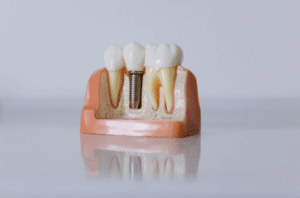
The healing phase explanation covers osseointegration — the process where bone cells grow around and fuse with the implant surface. This typically takes 3-6 months, during which the implant becomes solidly anchored in your jawbone. Your dentist will explain how temporary teeth can be provided during this healing period if needed, and what activities to avoid to ensure proper integration.
For patients requiring additional procedures, the consultation includes detailed explanations of bone grafting techniques, sinus lift procedures, or tissue grafting that may be necessary before or during implant placement. Understanding these supplementary procedures helps patients prepare mentally and financially for more complex treatment plans.
The final restoration phase involves uncovering the implant, placing an abutment (connecting piece), and fabricating the custom crown. Your dentist will explain how impressions are taken, how the crown is designed to match your natural teeth, and the difference between screw-retained and cement-retained restorations. This preview helps patients understand why the entire process requires multiple visits and prevents unrealistic expectations about immediate results.
Key Decisions and Preparation After Consultation
Following your consultation, several important decisions need to be made before proceeding with treatment. Financial planning often requires time to review insurance coverage, explore payment options, or arrange financing. Many practices offer treatment coordinators who can help navigate insurance claims and explain how medical versus dental coverage might apply to your specific situation.
Pre-surgical preparation may include medical clearance from your physician, especially if you have conditions like diabetes or heart disease that could affect healing. Your dentist might recommend stopping certain medications temporarily or adjusting dosages in consultation with your medical doctor. Smokers face critical decisions about cessation, as smoking dramatically increases implant failure rates and complications.
Lifestyle modifications often begin before surgery. Planning time off work, arranging for assistance during initial recovery, and preparing soft foods for the post-surgical period all contribute to successful outcomes. Some patients need to coordinate implant timing with other dental work or medical procedures to optimize their overall health during the healing process.
The consultation process ultimately prepares you to make informed decisions about one of dentistry’s most successful and predictable procedures. By understanding what happens during this crucial first visit, you can approach your consultation with realistic expectations and the right questions, setting the foundation for a successful implant experience that can last a lifetime.