


According to the American Dental Association’s 2024 consumer survey, over 80% of adults report feeling self-conscious about their smile, with tooth discoloration ranking as the top aesthetic concern. As social media continues to amplify appearance pressures and professional whitening technology becomes more sophisticated, the gap between DIY solutions and clinical treatments has never been wider. For anyone considering brightening their smile, the choice between professional and at-home whitening involves more than just cost — it’s about understanding how different methods work, what results you can realistically expect, and which approach aligns with your specific oral health needs. The decisions you make about whitening can impact not just your appearance, but your tooth sensitivity, enamel health, and long-term oral care routine.
How Do Teeth Whitening Treatments Work?
Teeth whitening operates through two distinct mechanisms: chemical bleaching and physical stain removal. The most effective whitening treatments rely on hydrogen peroxide or carbamide peroxide, which penetrate tooth enamel to break down chromogen molecules — the compounds responsible for deep stains from coffee, wine, tobacco, and natural aging. When these bleaching agents contact your teeth, they release oxygen molecules that chemically alter the structure of stain particles, making them colorless without damaging the underlying tooth structure.
The concentration of active ingredients determines both effectiveness and treatment duration. Professional treatments typically use hydrogen peroxide concentrations between 15-35%, while over-the-counter products contain 3-10% hydrogen peroxide or equivalent carbamide peroxide levels. This difference explains why dentist-supervised whitening can achieve dramatic results in a single session, while home kits require weeks of consistent use for noticeable change.
Physical whitening, found in whitening toothpastes and some rinses, works differently by using mild abrasives to remove surface stains. These products don’t change your tooth’s natural color — they simply polish away external discoloration from recent consumption of staining substances. Think of it as the difference between bleaching a fabric versus scrubbing a surface clean.
 Your tooth enamel’s porosity affects how well whitening agents penetrate. Younger teeth with more porous enamel typically respond faster to treatment, while older teeth with denser enamel may require longer exposure times. This biological reality means there’s no universal timeline for whitening success — your individual enamel characteristics play a significant role in determining both how quickly you’ll see results and how dramatic those results will be.
What Are the Differences Between Professional and At-Home Whitening?
Professional whitening delivers faster, more dramatic results through higher concentrations of active ingredients and custom application methods. During an in-office whitening treatment, dentists can safely use bleaching gels that would cause severe sensitivity or gum damage if used at home. The controlled environment allows for precise application, protecting soft tissues while maximizing contact with tooth surfaces.
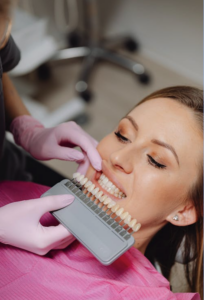
The customization aspect sets professional treatment apart. Dentists assess your specific staining patterns, enamel condition, and sensitivity levels before selecting the appropriate bleaching protocol. Someone with intrinsic stains from medication might need a different approach than someone with extrinsic coffee stains. This individualized strategy often means the difference between satisfactory and exceptional results.
At-home whitening kits offer convenience and gradual improvement at a lower cost. The trade-off is time — achieving professional-level results with home kits typically requires 2-4 weeks of daily use. However, this slower process has advantages for people with sensitive teeth, as the lower concentrations allow enamel to adapt gradually to the whitening process.
How Custom Trays and Laser Whitening Enhance Professional Results
Custom-fitted trays ensure even distribution of whitening gel across all tooth surfaces, eliminating the gaps and uneven coverage common with one-size-fits-all strips or generic trays. These precision-molded devices keep the bleaching agent in consistent contact with your teeth while preventing gel from seeping onto gums, which reduces irritation and maximizes effectiveness.
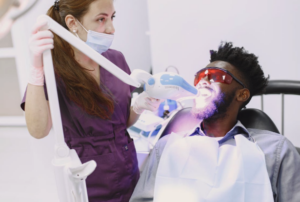
Laser-activated whitening accelerates the chemical breakdown of stains by using focused light energy to enhance peroxide activity. The combination of high-concentration gel and targeted light exposure can lighten teeth by 3-8 shades in a single 60-90 minute session. While the laser doesn’t actually whiten teeth itself, it functions as a catalyst that intensifies and speeds up the bleaching process that would otherwise take weeks to achieve.
Effectiveness and Convenience of At-Home Whitening Kits
Modern at-home kits have evolved significantly from the basic strips of the past. Professional-grade home systems now include custom trays made from dental impressions, allowing you to achieve near-professional results over a longer timeframe. These systems typically provide 2-4 weeks of treatment materials and can lighten teeth by 2-5 shades when used consistently.
 Whitening strips remain the most convenient option, requiring no preparation or custom fitting. However, their effectiveness is limited by their inability to wrap around tooth contours completely. They work best for people with relatively straight teeth and primarily front-tooth discoloration. The key to success with any home system lies in following the application schedule religiously — skipping days or inconsistent use significantly reduces overall effectiveness.
What Should You Know About Side Effects and Safety?
Tooth sensitivity ranks as the most common whitening side effect, affecting roughly 60% of people during treatment according to dental research studies. This occurs because bleaching agents temporarily open the microscopic pores in your enamel, allowing stimuli like cold air or beverages to reach the tooth’s nerve center more easily. The sensitivity is typically temporary, subsiding within 24-48 hours after completing treatment.
Gum irritation represents another frequent concern, particularly with ill-fitting trays or strips that allow bleaching gel to contact soft tissues. Professional supervision eliminates most of this risk through precise application and protective barriers, while home users must be vigilant about proper placement and gel quantity.
Overuse of whitening products can lead to enamel erosion and permanent tooth damage. The temptation to exceed recommended treatment times or frequencies often backfires, creating a translucent appearance that makes teeth look grayish rather than white. Once enamel is damaged through excessive bleaching, the effects are irreversible and may require restorative dental work.
How to Manage Teeth Whitening Sensitivity
Desensitizing toothpaste used 1-2 weeks before starting whitening treatment can significantly reduce discomfort. Products containing potassium nitrate help block nerve pathways that transmit pain signals. During treatment, switching to a soft-bristled toothbrush and avoiding extreme temperatures in food and beverages minimizes additional irritation.
Spacing out whitening sessions allows your enamel to remineralize between treatments. Instead of consecutive daily applications, try every other day or even every third day if sensitivity is severe. This approach takes longer but often results in less discomfort and more sustainable results. If sensitivity persists beyond 72 hours after stopping treatment, consult a dental professional to rule out underlying issues.
Debunking Myths and Understanding Risks
Contrary to popular belief, whitening treatments cannot damage properly maintained enamel when used as directed. The myth that bleaching “thins” enamel stems from confusion between temporary porosity changes and permanent structural damage. Research shows that hydrogen peroxide actually has antibacterial properties that can benefit oral health.
However, whitening has limitations that marketing often obscures. Gray discoloration from certain medications responds poorly to bleaching, regardless of concentration or treatment duration. Dental restorations like crowns, veneers, and fillings won’t change color during whitening, potentially creating mismatched appearances that require additional dental work to correct. Realistic expectations prevent disappointment and help you choose the most appropriate approach for your specific situation.
Which Whitening Options Work Best for Sensitive Teeth, Smokers, or Braces Wearers?
People with sensitive teeth benefit most from gradual whitening approaches using lower concentrations over extended periods. Carbamide peroxide-based products tend to cause less sensitivity than hydrogen peroxide formulations, as they release their active ingredients more slowly. Professional treatments can be modified with desensitizing agents mixed directly into the whitening gel, providing protection during the bleaching process.
Smokers face unique challenges because nicotine and tar create particularly stubborn stains that penetrate deep into enamel. These individuals often need professional-strength treatments to achieve noticeable results, as over-the-counter products lack sufficient power to address tobacco-related discoloration. However, continued smoking during and after whitening significantly reduces treatment effectiveness and duration, making smoking cessation the most impactful step for long-term success.
Braces wearers must wait until orthodontic treatment concludes before pursuing comprehensive whitening, as brackets and wires prevent even application and can create uneven coloration patterns. Whitening toothpaste offers the safest option during orthodontic treatment, helping prevent new stains without interfering with bracket adhesion. Some orthodontists recommend professional whitening as part of the debonding process, ensuring uniform results across all tooth surfaces once brackets are removed.
For teenagers with developing teeth, professional consultation becomes essential before any whitening treatment. Adolescent enamel may be more porous and responsive to bleaching agents, but it’s also more susceptible to sensitivity and damage from improper use.
How Can You Maximize Whitening Success and Maintain Results?
The first 48 hours after whitening treatment represent a critical window when your teeth are most porous and susceptible to restaining. Avoiding highly pigmented foods and beverages — coffee, red wine, berries, tomato sauce — during this period allows your enamel to stabilize at its new lighter shade. When you do consume staining substances, using a straw minimizes contact with your front teeth.
Maintenance whitening every 6-12 months helps preserve your results without the intensity of initial treatment. This might involve a single professional touch-up session or a few days of home treatment, depending on your lifestyle and staining habits. Regular dental cleanings also play a crucial role by removing surface stains before they penetrate deeper into enamel.
Your daily oral care routine directly impacts how long whitening results last. Electric toothbrushes remove more surface stains than manual brushing, while whitening toothpastes help prevent new discoloration between treatments. However, avoid immediately switching to highly abrasive whitening toothpastes after professional treatment, as temporarily sensitized enamel needs gentler care for the first week.
Consider your long-term habits when choosing a whitening approach. If you’re not willing to modify your coffee consumption or smoking habits, even the most expensive professional treatment will fade quickly, making less intensive home maintenance a more practical choice. The most successful whitening outcomes combine appropriate treatment selection with realistic lifestyle adjustments that support lasting results.