


According to the American Academy of Pediatric Dentistry’s 2024 guidelines, children receive an average of 8-12 dental x-rays before age 18 — yet their developing tissues are 10 times more sensitive to radiation than adult tissues. As digital imaging technology reshapes pediatric dentistry and parents increasingly question medical procedures involving radiation exposure, the conversation around child dental x-ray safety has become more nuanced than the simple “yes, they’re safe” response many families receive.
The stakes extend beyond immediate dental care. Children’s rapidly dividing cells and longer life expectancy mean cumulative radiation effects carry different weight than they do for adults. At the same time, undetected dental problems during critical developmental years can create lifelong oral health challenges that far outweigh radiation concerns when x-rays are used appropriately.
For parents navigating this decision, understanding the actual protocols, frequency recommendations, and protective measures that govern modern pediatric dental radiography provides the foundation for informed consent — and peace of mind when their child needs diagnostic imaging.
Why Child Dental X-Ray Safety Matters Now
Children’s heightened radiation sensitivity stems from their rapidly growing and dividing cells, particularly in developing organs like the thyroid gland located near dental x-ray exposure areas. The National Cancer Institute reports that radiation exposure during childhood poses a greater lifetime cancer risk than equivalent exposure in adulthood, making safety protocols in pediatric dentistry fundamentally different from adult care.
This biological reality intersects with a practical challenge: children’s dental problems often develop faster and more aggressively than adult conditions. Cavities in primary teeth can progress to the nerve within months rather than years, and developmental issues with incoming permanent teeth may require early intervention to prevent complex orthodontic problems later. The window for effective treatment is often narrow, making diagnostic accuracy crucial.
Recent shifts in dental practice have heightened awareness around radiation exposure. Digital radiography has become the standard in most pediatric dental offices, reducing radiation doses by up to 90% compared to traditional film x-rays. However, this technological advancement has also led to increased frequency of x-ray use in some practices, as the lower individual doses can create a false sense of unlimited safety.
The regulatory landscape adds another layer of complexity. While the FDA sets equipment standards and states regulate dental practice, there’s significant variation in how pediatric radiation safety protocols are implemented. Some states require specific training for dental staff working with children, while others apply general radiography standards regardless of patient age.
For families, this means the safety of their child’s dental x-rays depends not just on whether they’re “necessary” in a general sense, but on the specific equipment, protocols, and training present in their chosen dental practice — factors that aren’t always transparent during routine appointments.
How Child Dental X-Rays Minimize Radiation Exposure
Modern pediatric dental practices employ multiple overlapping strategies to reduce radiation exposure while maintaining diagnostic quality. The most significant advancement lies in digital sensor technology, which requires 80-90% less radiation than traditional film to produce clear images. These sensors capture images instantly, eliminating the need for retakes due to processing errors that were common with film radiography.
Collimation — the technical term for focusing the x-ray beam — has been refined specifically for children’s smaller anatomy. Rectangular collimation, now standard in pediatric dentistry, restricts the radiation beam to precisely match the image receptor size, reducing scattered radiation to surrounding tissues by approximately 60% compared to circular collimation used in older equipment.
The positioning and timing protocols for children differ substantially from adult procedures. Pediatric-specific exposure settings account for smaller bone density and tissue thickness, typically reducing exposure time to a fraction of adult settings. Fast image receptors, rated as “F-speed” or higher, capture adequate images with minimal exposure duration.
Protective Equipment and Technology Advances
Lead aprons designed specifically for children provide critical protection for the torso and reproductive organs, while thyroid collars shield the neck area where the thyroid gland sits closest to typical dental x-ray fields. These protective devices must fit properly to be effective — adult-sized equipment on a small child leaves gaps that defeat the protective purpose.
Digital radiography systems include dose monitoring capabilities that weren’t available with film systems. Modern equipment can track cumulative exposure over time and alert practitioners when preset limits are approaching, though these systems require active monitoring to be effective.
Radiation Dosage and Protocol Standards
Federal regulations limit annual radiation exposure for dental patients, with pediatric limits set lower than adult standards. A typical bitewing x-ray series for a child delivers approximately 0.005 millisieverts — roughly equivalent to the background radiation exposure from one day of normal environmental sources, according to the National Council on Radiation Protection and Measurements.
State dental boards increasingly require continuing education on pediatric radiation safety, though implementation varies. Best-practice protocols include regular equipment calibration, staff training on child-specific techniques, and documentation of clinical justification for each x-ray series.
What Is the Optimal Frequency for Child Dental X-Rays?
Evidence-based frequency guidelines from the American Dental Association depend heavily on individual risk factors rather than arbitrary age-based schedules. For children at low caries risk — those without existing cavities, good oral hygiene, and access to fluoridated water — bitewing x-rays may be appropriate every 12-24 months. High-risk children, including those with previous cavities, poor oral hygiene, or certain medical conditions, may require x-rays every 6-12 months.
The CAMBRA (Caries Management by Risk Assessment) protocol, adopted by many pediatric dental practices, provides a systematic approach to determining x-ray frequency based on measurable risk factors. This assessment considers diet, fluoride exposure, bacteria levels, and family history to create individualized radiographic schedules rather than applying one-size-fits-all recommendations.
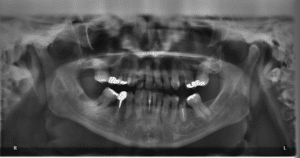
Developmental considerations add another layer to frequency decisions. Children ages 6-8 require monitoring for proper eruption of permanent first molars and incisors, while adolescents need assessment of wisdom tooth development and potential crowding issues. However, these developmental x-rays — typically panoramic images — are usually needed only once every 3-5 years unless specific problems arise.
Insurance coverage patterns have inadvertently influenced x-ray frequency in some practices, as many plans cover radiographs annually regardless of clinical need. However, clinical necessity should drive the decision, with insurance considerations secondary to appropriate care standards.
The timing of x-rays within preventive visits also affects safety and efficacy. Taking radiographs early in the appointment allows for immediate treatment planning if problems are detected, while end-of-visit x-rays may lead to additional appointments and repeated exposure if issues require urgent attention.
Recent research suggests that certain populations may benefit from modified frequency schedules. Children with orthodontic appliances may need more frequent monitoring, while those participating in school-based fluoride programs may safely extend intervals between diagnostic radiographs.
Balancing Benefits and Risks of Dental X-Rays in Children
The diagnostic benefits of pediatric dental x-rays extend far beyond simple cavity detection. X-rays reveal the development and positioning of permanent teeth while they’re still forming beneath the gums, allowing orthodontic intervention during optimal developmental windows. Early detection of impacted teeth, extra teeth, or developmental anomalies can prevent complex surgical procedures and extensive orthodontic treatment later.
Interproximal cavities — those developing between teeth where visual examination and probing cannot detect them — represent the most compelling case for routine radiographic screening. These lesions, particularly common in children due to tight tooth contacts and developing oral hygiene skills, can progress rapidly in primary teeth and affect the permanent teeth developing beneath them.
The radiation risk, while real, requires perspective within the broader context of medical imaging exposure. The National Council on Radiation Protection reports that the average American receives 6.2 millisieverts of radiation annually from all sources, including medical procedures, background radiation, and cosmic exposure. A full-mouth pediatric x-ray series contributes approximately 0.015 millisieverts — less than 1% of typical annual exposure.
However, the cumulative effect principle remains important for children who may require x-rays regularly over many years. A child receiving annual bitewing x-rays from age 6 to 18 accumulates roughly 0.06 millisieverts from dental radiography alone — still a small fraction of background exposure, but worth considering in the context of other medical imaging they may receive.
The ALARA principle (As Low As Reasonably Achievable) guides responsible radiographic practice. This means using the minimum radiation necessary to obtain diagnostically useful information, rather than pursuing the perfect image when a adequate image provides the needed clinical information. For children, this often means accepting slightly grainier images in exchange for reduced exposure time and radiation dose.
When dental x-rays are conducted with proper technique and dental x-rays in Nassau County facilities that follow current pediatric protocols, the diagnostic benefits typically outweigh the minimal radiation risks for children with clinical indications for imaging.
Parental and Practitioner Roles in Ensuring Child Dental X-Ray Safety
Effective communication between dental teams and families forms the foundation of appropriate pediatric radiographic care. Parents should receive clear explanations about why specific x-rays are recommended, what the images will show, and how the radiation exposure compares to everyday environmental sources. This conversation should happen before the x-rays are taken, allowing time for questions and informed decision-making.
Behavioral management during radiographic procedures directly impacts both safety and image quality. Children who move during exposure may require repeat x-rays, doubling or tripling radiation exposure. Pediatric dental teams employ various techniques to ensure cooperation, including tell-show-do methods, distraction techniques, and age-appropriate explanations of the brief procedure.
Practitioners have the responsibility to maintain current equipment, follow manufacturer calibration schedules, and ensure staff training meets current safety standards. This includes regular monitoring of radiation output, proper maintenance of protective equipment, and documentation of clinical justification for each radiographic series.
The decision to refuse recommended x-rays should involve discussion of alternative diagnostic methods and their limitations. Visual examination, for example, can miss up to 70% of interproximal cavities in children, potentially leading to more extensive treatment needs later. However, parents who understand the limitations of alternative approaches can make informed decisions about accepting those limitations versus proceeding with radiographic evaluation.
As pediatric dental practices continue adopting advanced imaging technologies and refining safety protocols, the partnership between informed families and qualified practitioners remains the most effective approach to ensuring children receive necessary diagnostic imaging with appropriate attention to radiation safety and long-term oral health outcomes.