


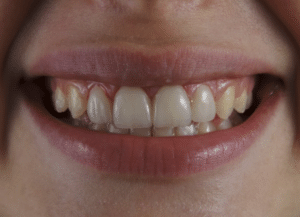
 You’ve probably noticed that some people maintain bright, white smiles well into their seventies, while others develop noticeable discoloration in their thirties despite diligent brushing. According to the American Dental Association’s 2024 oral health surveillance data, over 80% of adults experience some form of tooth staining by age 40, yet the underlying causes and formation mechanisms remain poorly understood by most patients and even some practitioners.
The distinction between surface stains and deeper discoloration has become increasingly important as cosmetic dentistry evolves beyond one-size-fits-all whitening approaches. What appears to be a simple aesthetic concern often reflects complex interactions between genetics, lifestyle choices, and environmental factors — each requiring different treatment strategies. For anyone noticing changes in their tooth color or considering whitening options, understanding how different types of stains develop and why some resist traditional treatments can prevent costly missteps and unrealistic expectations.
How Dental Stains Develop and Form
The process of stain formation begins at the microscopic level, where tooth enamel’s naturally porous structure becomes the gateway for discoloring agents. Think of enamel as having tiny channels — invisible to the naked eye but large enough for certain molecules to penetrate. When you drink coffee or red wine, chromogens (the pigmented molecules responsible for color) don’t just sit on your tooth surface; they actively migrate into these microscopic spaces.
Tannins, the compounds that make tea astringent and wine bitter, act as molecular anchors that help chromogens bind more permanently to tooth structure. This explains why a single glass of red wine can cause more lasting discoloration than several glasses of white wine — the tannin content creates a chemical adhesion that simple brushing can’t reverse. The longer these compounds remain in contact with teeth, the deeper they penetrate and the more resistant they become to removal.
Temperature plays a crucial role in accelerating this process. Hot beverages like coffee and tea cause enamel pores to expand temporarily, allowing chromogens to penetrate more deeply than they would at room temperature. This is why iced coffee typically causes less staining than hot coffee, even when consumed in equal quantities.
The formation timeline varies dramatically based on individual factors. People with naturally thinner enamel — often due to genetics or acid erosion — develop visible stains within weeks of exposure, while those with thicker, more mineralized enamel might not show obvious discoloration for months or even years of identical habits.
Once chromogens establish themselves within the enamel structure, they undergo oxidation reactions that can actually darken over time, even without continued exposure to the original staining agent. This explains why former smokers often notice their teeth continue to yellow for several months after quitting, as existing tar deposits continue their chemical evolution within the tooth structure.
Types of Dental Stains and How They Differ
Understanding stain classification helps explain why some discoloration responds well to over-the-counter whitening strips while other cases require professional intervention or alternative treatments entirely. The fundamental distinction lies in where the discoloration originates and how deeply it has penetrated the tooth structure.
Extrinsic Stains on Teeth
Extrinsic stains develop on the outer surface of teeth and represent the most common — and treatable — form of discoloration. These stains result from direct contact between pigmented substances and tooth enamel, creating deposits that range from light yellow surface films to dark brown or black accumulations.
Coffee and tea create characteristic brown staining patterns, typically most noticeable along the gum line where liquid pools during drinking. Tobacco use produces some of the most stubborn extrinsic stains, as tar and nicotine combine with saliva proteins to form tenacious deposits that penetrate surface irregularities. Wine stains often appear as a general yellowing with purple undertones, while berries and deeply pigmented foods create scattered spots that correspond to chewing patterns.
The key characteristic of extrinsic stains is their response to mechanical and chemical removal methods. Professional cleaning can eliminate most surface deposits, while whitening treatments that contain peroxide can break down chromogen molecules that have penetrated the outermost enamel layers. However, long-standing extrinsic stains may require multiple treatment sessions, as years of accumulation create layered deposits that must be addressed progressively.
Interestingly, extrinsic stains often serve as early indicators of oral hygiene effectiveness. Areas where staining develops first — typically between teeth, along the gum line, or on back molars — usually correspond to spots where plaque removal is inadequate, creating rough surfaces that trap pigments more readily.
Intrinsic Stains and Internal Discoloration
Intrinsic stains originate within the tooth structure itself, making them significantly more challenging to address with conventional whitening approaches. These discolorations develop during tooth formation or result from internal changes to the tooth’s composition, creating color alterations that range from subtle gray shifts to dramatic brown or blue-gray appearances.
Tetracycline antibiotics, when taken during tooth development, create distinctive horizontal banding patterns that can range from yellow to dark gray. The timing of exposure determines the location of these bands — antibiotics taken during infancy affect the crown portion of teeth, while later exposure influences root development. Fluorosis, caused by excessive fluoride intake during tooth formation, produces white spots or brown discoloration depending on severity levels.
Dental trauma frequently causes intrinsic staining as damaged blood vessels within the tooth release iron compounds that oxidize over time. A tooth that appears normal immediately after an injury might gradually develop a gray or brown appearance over several months as internal bleeding products break down and stain the dentin layer.
Age-related intrinsic staining occurs as the outer enamel layer thins naturally over decades, allowing the yellower dentin underneath to show through more prominently. This process explains why teeth appear more yellow with age even in the absence of external staining factors.
Root canal treatment sometimes results in intrinsic discoloration when residual tissue or certain filling materials interact with tooth structure. For these cases, dental veneers may provide the most predictable aesthetic solution, as the discoloration often extends too deeply for bleaching treatments to address effectively.
Common Causes and Lifestyle Influences on Dental Staining
The relationship between daily habits and tooth discoloration extends far beyond the obvious culprits of coffee and cigarettes. Dietary acids play a particularly significant role by temporarily softening enamel, making teeth more susceptible to stain penetration during the critical period immediately after consumption. This explains why drinking orange juice followed by coffee creates more staining than consuming coffee alone.
Timing and consumption patterns matter enormously. Sipping coffee over an hour exposes teeth to staining compounds for sixty minutes, while drinking the same amount quickly limits contact time to just a few minutes. Similarly, using a straw positioned toward the back of the mouth reduces contact between staining liquids and front teeth, though it doesn’t eliminate exposure entirely.
Saliva production acts as a natural defense mechanism against staining by diluting chromogens and providing buffering compounds that neutralize acids. People with naturally low saliva production — whether due to medications, medical conditions, or genetics — typically develop stains more rapidly and extensively than those with normal salivary flow. Dehydration compounds this effect, which explains why teeth often appear more discolored at the end of long days or after periods of inadequate fluid intake.
Certain medications create indirect staining effects by altering saliva composition or reducing production. Antihistamines, blood pressure medications, and antidepressants commonly cause dry mouth, while iron supplements can create metallic staining when they interact with oral bacteria. Chlorhexidine mouthwash, prescribed for certain gum conditions, notoriously causes brown staining with regular use.
Genetic factors influence both enamel thickness and natural tooth color, creating variations in staining susceptibility that persist regardless of lifestyle modifications. Some individuals inherit naturally thinner enamel that shows dentin coloration more readily, while others have genetic variations that affect how their teeth respond to bleaching treatments. Understanding these inherited factors helps explain why siblings with similar habits may experience dramatically different staining patterns.
Oral hygiene timing interacts with staining in counterintuitive ways. Brushing immediately after consuming acidic or staining substances can actually increase enamel damage, as the temporarily softened surface becomes more susceptible to abrasion. Dental professionals typically recommend waiting 30-60 minutes after eating or drinking before brushing, allowing saliva to begin the remineralization process.
Methods to Remove Dental Stains and Their Effectiveness
The effectiveness of stain removal depends entirely on matching the treatment approach to the type and depth of discoloration present. Understanding these distinctions prevents the frustration of using intensive treatments for surface stains or expecting home remedies to address deep intrinsic discoloration.
Professional Teeth Whitening Techniques
In-office bleaching procedures utilize high-concentration peroxide gels (typically 15-35% hydrogen peroxide) under controlled conditions that allow for dramatic color changes in a single appointment. The process begins with careful isolation of gum tissues to prevent chemical burns, followed by application of the bleaching agent in timed intervals. Professional treatments can lighten teeth by 3-8 shades in one session, though results vary based on the original stain type and individual tooth characteristics.
Laser-activated whitening combines concentrated bleaching gels with light energy to accelerate the chemical breakdown of chromogen molecules. While marketing often emphasizes the laser component, research indicates that the primary whitening effect comes from the peroxide gel itself — the light primarily serves to maintain optimal temperature for the chemical reactions. These treatments typically cost $500-1,500 and may require multiple sessions for optimal results.
Custom-fitted whitening trays provided by dentists offer a middle ground between professional intensity and home convenience. These treatments use moderate-concentration gels (10-22% carbamide peroxide) worn for specified periods over several weeks. The custom fit ensures even gel distribution and prevents the gum irritation common with over-the-counter strips, while the extended treatment time allows for gradual, stable color changes.
Professional treatments excel at addressing moderate to severe extrinsic staining and can sometimes improve mild intrinsic discoloration. However, they have limitations — tetracycline staining may require months of treatment with only modest improvement, while fluorosis spots often become more noticeable after bleaching as they whiten at different rates than surrounding tooth structure.
Home and Natural Stain Removal Methods
Over-the-counter whitening products have evolved significantly in recent years, with some approaches showing legitimate effectiveness for surface stains. Whitening strips containing 6-10% hydrogen peroxide can produce noticeable improvements in extrinsic staining when used consistently over 2-3 weeks. However, the one-size-fits-all design often leads to uneven results and potential gum irritation in users with irregular tooth alignment.
Whitening toothpastes work through mild abrasives and chemical agents that remove surface deposits but cannot address deeper staining. These products typically lighten teeth by one shade at most and work best for maintaining results achieved through other methods rather than creating dramatic initial improvements.
Natural remedies like oil pulling, baking soda, and activated charcoal generate significant interest but show limited scientific support for stain removal. Oil pulling may improve overall oral health through bacterial reduction, but claims of whitening effects lack robust clinical evidence. Baking soda’s abrasive properties can remove some surface stains but risk enamel damage with frequent use, while activated charcoal’s purported benefits remain largely anecdotal.
Hydrogen peroxide rinses at low concentrations (1-3%) can provide mild whitening effects with minimal risk when used intermittently. However, regular use of higher concentrations without professional supervision may lead to tooth sensitivity and gum irritation that outweigh any cosmetic benefits.
The key limitation of home methods lies in their inability to address intrinsic staining or deeply embedded extrinsic stains. Products available for consumer use must maintain safety profiles suitable for unsupervised application, inherently limiting their chemical potency compared to professional treatments.
Impact of Dental Stains on Oral Health and Well-being
While tooth discoloration is often dismissed as purely cosmetic, research reveals significant connections between staining patterns and broader oral health indicators. Surface stains frequently develop in areas where plaque accumulates most readily, serving as visible markers of inadequate cleaning that may progress to more serious problems if left unaddressed.
The psychological impact of tooth discoloration extends beyond simple aesthetic concerns, influencing social interactions and professional opportunities in measurable ways. Studies indicate that people with noticeably stained teeth are perceived as less successful and less attractive in both social and professional contexts, leading many individuals to modify their behavior — covering their mouths when laughing, avoiding social eating situations, or declining opportunities that involve public speaking or photography.
This behavioral modification can create a cycle where individuals become increasingly self-conscious about their appearance, potentially avoiding routine dental care out of embarrassment. The resulting delay in professional cleaning and examination allows both staining and underlying dental problems to progress unchecked, compounding both aesthetic and health concerns over time.
Certain types of staining indicate underlying enamel loss that requires attention beyond cosmetic treatment. Brown or black staining along the gum line often accompanies early decay processes, while sudden changes in tooth color may signal trauma or infection requiring immediate evaluation. Attempting to address these conditions with whitening treatments alone risks masking symptoms of more serious problems that need professional intervention.
The relationship between staining and tooth sensitivity illustrates another health dimension often overlooked in cosmetic discussions. Teeth that develop stains rapidly may have compromised enamel that allows both chromogens and temperature stimuli to reach sensitive dentin layers more easily. Addressing the underlying enamel loss through remineralization treatments or protective applications often proves more valuable than focusing solely on color improvement.
For individuals considering treatment options, the most effective approaches recognize staining as part of a comprehensive oral health picture rather than an isolated cosmetic concern. Professional evaluation can distinguish between stains that respond well to whitening treatments and those that indicate deeper structural issues requiring alternative management strategies, ultimately protecting both appearance and long-term dental health.