


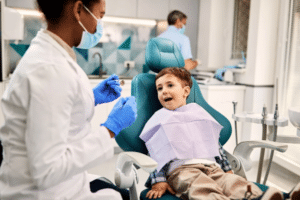
 The American Dental Association reports that nearly 20% of children ages 5-11 have at least one untreated cavity — yet studies consistently show that early intervention can prevent up to 80% of childhood dental problems. In the Bay Area’s competitive healthcare landscape, pediatric dentistry has evolved far beyond simple cleanings, embracing prevention-first approaches that integrate cutting-edge technology with child-centered care philosophies.
For Bay Area parents navigating everything from tech industry health benefits to diverse cultural approaches to oral health, understanding pediatric dental care means more than just finding the nearest office. Connecting with an experienced pediatric dental team Bay Area families trust can make a meaningful difference, as early dental experiences shape a child’s relationship with oral health for life—especially in a region where access to specialized care varies dramatically between Silicon Valley’s affluent communities and underserved neighborhoods in Oakland and San Francisco.
The decisions you make about your child’s dental care in their first few years — from that initial visit timing to daily hygiene routines — create a foundation that influences everything from speech development to nutritional choices. Here’s what every Bay Area parent needs to know about building that foundation effectively.
Why Early Pediatric Dental Care Makes a Difference
Most parents assume their child’s first dental visit should happen when all baby teeth are in, around age three. That assumption costs families crucial prevention opportunities. Pediatric dentists recommend that first visit by age one or within six months of the first tooth appearing — not for treatment, but for relationship building and early assessment.
The reason comes down to developmental windows. Between ages one and three, children’s oral bacteria colonies are still forming. Early intervention during this period can literally reshape the bacterial environment in a child’s mouth, reducing cavity risk for years. Dr. Sarah Chen, who practices pediatric dentistry in Palo Alto, explains it this way: “We’re not just checking teeth at that first visit. We’re establishing oral health habits during the neuroplasticity window when children form their strongest behavioral patterns.”
Consider a typical scenario: Parents bring their 18-month-old daughter for her first visit. The dentist notices she’s still using a bottle at bedtime and shows early signs of enamel weakening on her front teeth. With immediate dietary adjustments and fluoride application, that enamel strengthens again. Wait until age three when cavities have formed, and the intervention becomes treatment rather than true prevention.
Early visits also address the psychological component that many parents overlook. Children who meet their dentist before they need any procedures develop comfort with the dental environment. They learn that dental visits involve counting teeth, riding the chair up and down, and getting a new toothbrush — not fear or discomfort. This early positive association becomes the foundation for lifelong dental compliance.
The ripple effects extend beyond oral health. Children with untreated dental problems miss significantly more school days, struggle with nutrition due to chewing difficulties, and often develop speech delays when cavities affect their front teeth. Bay Area families, already juggling demanding work schedules, can’t afford these preventable complications.
What Are Best Practices for Kids’ Dental Hygiene and Nutrition?
The fundamentals of pediatric oral care seem straightforward until you’re holding a squirming toddler who views toothbrushing as an invasion. Effective pediatric oral hygiene requires understanding both the science behind cavity prevention and practical strategies that work with child development, not against it.
Fluoride exposure represents the most significant prevention tool available, but timing and concentration matter enormously. Children under age six benefit most from fluoride varnish applications every six months, professionally applied at concentrations that strengthen enamel without the safety concerns of daily fluoride toothpaste. For home care, rice-grain-sized amounts of fluoride toothpaste work effectively for children under three, increasing to pea-sized amounts afterward.
The bigger challenge involves establishing routines that children actually follow. Successful pediatric oral hygiene happens in phases: parent-controlled from birth to age three, collaborative from three to six, and child-led with supervision from six onward. During each phase, the goal shifts from compliance to understanding, then to independence.
How Should Parents Help with Daily Oral Hygiene?
The parent-controlled phase requires thinking like your child’s oral health manager rather than enforcer. Position yourself behind your child, tip their head back slightly against your chest, and brush systematically — upper teeth, lower teeth, tongue. This position gives you optimal visibility and control while feeling secure to the child.
Electric toothbrushes work better than manual ones for most children under age four because the vibration provides sensory feedback that many children find calming rather than threatening. The two-minute timer built into most electric toothbrushes also removes negotiation from the equation — the brush stops when brushing time ends.
Make the routine predictable and non-negotiable. Successful families establish toothbrushing as part of the bedtime sequence, like putting on pajamas or reading a story. When children understand that bedtime involves specific steps that always happen in order, they resist individual components less.
Flossing becomes relevant once teeth touch each other, typically around age four. Start with floss picks rather than traditional string floss — they’re easier for small hands to manipulate and less intimidating for children who already associate dental care with mouth invasion. Focus on the back molars where food gets trapped most easily.
How Does Nutrition Affect Children’s Oral Health?
Diet influences oral health through both direct contact with teeth and systemic effects on enamel development. The most damaging dietary pattern for children involves frequent exposure to sugars and starches, particularly in liquid form. A child who sips juice or milk throughout the day creates continuous acid exposure that overwhelms their saliva’s natural protective mechanisms.
Timing matters more than specific foods. Eating sugary snacks with meals causes less damage than eating them between meals because increased saliva production during mealtime helps neutralize acids. This principle means cookies after lunch pose less cavity risk than goldfish crackers at 3 PM.
Water becomes the critical beverage between meals. Bay Area tap water contains optimal fluoride levels, making it preferable to bottled water for children’s developing teeth. When children drink water between meals, they’re not only avoiding sugar exposure but actively supporting their mouth’s natural cleansing mechanisms.
Certain foods actively support oral health. Cheese contains calcium and casein proteins that help remineralize enamel. Crunchy vegetables like carrots and celery stimulate saliva production and provide mechanical cleaning of tooth surfaces. These foods work particularly well as afternoon snacks when children need energy but haven’t yet eaten dinner.
Which Dental Problems Commonly Affect Children and How Are They Managed?
Early childhood caries — cavities in baby teeth — affects more Bay Area children than many parents realize, particularly in communities where cultural dietary practices include frequent sweet treats or prolonged bottle use. Unlike adult cavities that develop slowly, childhood caries can progress rapidly due to thinner enamel and different bacterial environments.
The pattern typically starts with white spots on front teeth, indicating early enamel breakdown. Without intervention, these spots darken and develop into visible holes within months. Many parents assume baby teeth don’t matter because they’ll fall out, but infected baby teeth can damage the permanent teeth developing beneath them and cause significant pain.
Modern pediatric dentistry approaches these problems with minimally invasive techniques that prioritize preservation. Silver diamine fluoride, for example, can arrest cavity progression without drilling in many cases. When applied to early-stage cavities, this antimicrobial solution stops bacterial growth and allows for remineralization. The trade-off involves permanent black discoloration of treated areas, but for baby teeth that will be lost within a few years, this often represents the ideal solution.
Dental emergencies present differently in children than adults. Knocked-out baby teeth don’t get replanted — attempting to do so can damage the developing permanent tooth. Instead, treatment focuses on managing bleeding, assessing for nerve damage, and monitoring for infection. Permanent teeth, however, need immediate attention and have the best chance of survival when reimplanted within 30 minutes.
Behavioral management during dental visits requires understanding child psychology rather than authority. Successful pediatric dentists use tell-show-do approaches that explain procedures before performing them, allowing children to maintain some sense of control. For children with significant anxiety, nitrous oxide (laughing gas) provides conscious sedation that reduces fear without affecting cooperation.
The key insight for Bay Area parents involves recognizing symptoms early. Children rarely complain about dental pain directly — instead, they avoid chewing on one side, refuse certain foods, or become more irritable during mealtimes. These behavioral changes often signal dental problems weeks before visible symptoms appear.
How Does Oral Health Influence Child Development and Well-Being?
The connection between oral health and child development extends far beyond preventing cavities. Speech development depends heavily on proper tooth positioning and oral muscle function, making early dental care crucial for communication skills. Children missing front teeth or dealing with extensive decay often develop speech patterns that persist even after dental problems are resolved.
Nutritional impacts ripple through all aspects of development. Children with dental pain or missing teeth struggle to chew properly, leading them to prefer soft, often processed foods that lack the nutrients needed for optimal growth. This creates a cycle where poor oral health leads to poor nutrition, which further compromises oral health through inadequate mineral and vitamin intake.
Sleep quality suffers when children deal with dental pain or infection. Chronic sleep disruption during early childhood affects everything from immune function to academic performance. Bay Area families already managing high-stress lifestyles can’t afford the additional challenge of sleep-deprived children dealing with preventable dental problems.
Social development also connects to oral health in ways that become more significant as children enter school. Children with visible dental problems or chronic bad breath often become targets for teasing, affecting their willingness to speak up in class or form friendships. These early social experiences shape self-confidence patterns that extend well beyond childhood.
Perhaps most importantly, the relationship children develop with healthcare begins with their dental experiences. Children who learn that healthcare involves preventive visits where they feel safe and understood are more likely to maintain regular medical and dental care as adults. Conversely, children whose early dental experiences involve fear or pain often avoid healthcare throughout their lives, creating long-term health consequences that extend far beyond their teeth.
The pediatric dentist’s role evolves into coaching families through these broader developmental considerations. They’re not just treating teeth — they’re supporting speech development, nutritional counseling, sleep hygiene, and social confidence building. This holistic approach particularly benefits Bay Area families where children face academic pressure early and need every advantage for optimal development.
What Are the Latest Trends and Resources for Pediatric Dental Care in the Bay Area?
Bay Area pediatric dentistry has embraced technology integration that enhances both treatment outcomes and patient experience. Digital imaging systems reduce radiation exposure by up to 90% compared to traditional X-rays while providing superior diagnostic information. Laser dentistry allows for cavity treatment without drilling in many cases, eliminating the fear factor that creates lifelong dental anxiety.
Some Bay Area practices now offer same-day crown placement using CAD/CAM technology, meaning children can receive permanent restorations without multiple visits and temporary crowns. This advancement particularly benefits busy Bay Area families where scheduling multiple appointments creates logistical challenges.
Insurance landscape considerations vary dramatically across the Bay Area’s diverse employer base. Tech companies typically offer comprehensive dental benefits that cover pediatric specialty care, while service industry workers often have limited coverage that requires careful navigation. Many pediatric practices now offer membership programs for families without dental insurance, providing preventive care at significantly reduced costs.
Community resources fill important gaps in access. The Bay Area Community Health Alliance provides mobile dental services to underserved communities, bringing prevention programs directly to schools and community centers. San Francisco’s Department of Public Health operates dental clinics with sliding-scale fees based on family income, making specialized pediatric care accessible regardless of insurance status.
Recent research from UCSF’s pediatric dentistry program shows that Bay Area children benefit significantly from school-based sealant programs, which can reach children who might not otherwise receive preventive care. These programs particularly impact families where language barriers or work schedules make regular dental visits challenging.
Looking ahead, Bay Area pediatric dentistry continues evolving toward precision medicine approaches that customize treatment based on individual risk factors. Bacterial testing can now identify children at high risk for cavities before any symptoms appear, allowing for targeted prevention strategies. This represents a fundamental shift from reactive treatment to predictive prevention that could eliminate most childhood dental disease within the next decade.
For Bay Area families, accessing this evolved standard of care often requires working with an experienced pediatric dental team Bay Area that understands both the latest clinical advances and the unique needs of local communities. The investment in specialized pediatric care pays dividends not just in preventing immediate dental problems, but in establishing the foundation for lifelong oral health in one of the country’s most dynamic and demanding regions.