


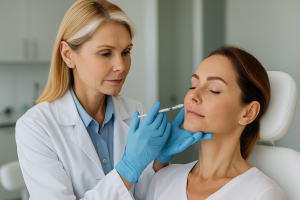
 Dental professionals have increasingly expanded their clinical skills beyond traditional procedures, embracing new competencies that complement both therapeutic and aesthetic patient care. Among the most transformative additions to general dentistry is training courses in botulinum toxin and dermal fillers. For many dental clinicians, integrating these services has not only elevated their capabilities but also enhanced patient satisfaction and broadened the scope of their dental practice.
Why It Matters
As demand for facial aesthetics and minimally invasive treatments continues to grow within the cosmetic industry, the need for well-trained healthcare professionals who understand the intricacies of facial anatomy is greater than ever.
Dentists, already deeply knowledgeable about facial muscles, proportions, and the oral–maxillofacial region, are uniquely positioned to excel in this field. A comprehensive training program, especially an in-person, hands-on course with live patient training, offers a clear pathway for dental practitioners to integrate botulinum toxin safely, effectively, and ethically into their practice.
Continuing Dental Education Through Training
High-quality Botox courses, particularly those taught by experienced oral surgeons, medical injectors, and aesthetic instructors, give participants a deep understanding of facial anatomy, diagnosis, and treatment planning. A comprehensive course typically covers:
- The mechanism of action of botulinum neurotoxin;
- The aging process and its effect on muscles and soft tissue;
- Patient assessment and safe treatment plans;
- Proper placement of injections;
- Avoiding and managing complications;
- Ethical considerations and practice integration.
Dentists who gain knowledge through structured courses they have completed become better equipped to incorporate cosmetic and therapeutic applications into dental medicine, and they can do so with confidence.
Dentists also benefit from continuing dental education (CDE) credit hours. Some courses are taught by ADA CERP recognized providers or offer AGD endorsement, which helps dental clinicians stay compliant with licensing requirements. While these recognitions do not imply acceptance or endorse individual courses, they do indicate adherence to high educational standards.
Hands-On Training Sessions with Different Botulinum Toxin Levels
One of the greatest strengths of modern Botox courses is the emphasis on hands-on training, hands-on experience, and live patient treatment. These sessions allow participants to:
- Work directly with live patient models;
- Practice safe injection techniques;
- Understand the nuances of tissue response;
- Improve dexterity and confidence;
- Receive real-time feedback from instructors.
Dental clinicians already possess excellent fine-motor skills from years of performing delicate dental procedures. Botox courses simply refine and re-apply those skills in a broader facial context. Because the muscles responsible for expressions like frowning, smiling, or raising the eyebrows are intimately connected to the oral region, dentists often find the transition smooth. Treating conditions such as gummy smile, marionette lines, or perioral wrinkles becomes an extension of their existing anatomical expertise.
Broadening Therapeutic Treatment Options with Botox and Dermal Fillers
While Botox is widely known for cosmetic applications, it offers significant therapeutic benefits that align directly with dentistry. Many professionals increasingly use botulinum toxin to help manage:
TMJ syndrome (Temporomandibular Joint Disorder). Botox can ease hyperactivity in the masseter and temporalis muscles, reducing pain and improving function.
Bruxism / teeth grinding. Patients who suffer from chronic clenching often experience headaches, fractured teeth, and worn enamel. Botox can reduce muscle overactivity and protect both natural teeth and restorations.
Dental sleep medicine. Although Botox is not a standalone solution for sleep-related airway issues, it can complement traditional treatment by addressing muscular tension that contributes to discomfort or restricted movement.
Gummy smile. By relaxing hyperactive lip-elevating muscles, dental clinicians can create a more harmonious smile without surgical intervention.
By adding Botox as a therapeutic tool, dentists can expand their repertoire, offer more personalized care, and support long-term patient outcomes that extend beyond the teeth and gums.
Improving Aesthetic Outcomes in Dental Practice
A growing number of patients seek dental care with the goal of improving the overall appearance of their smile — not only the teeth, but the surrounding tissues as well. Botox and dermal filler treatments complement other dental procedures such as veneers, implants, and whitening.
For example, the final result of a restorative or cosmetic case may be diminished by dynamic wrinkles, downturned oral commissures, or imbalanced lip mobility. With the ability to integrate aesthetic treatments into a standard treatment plan, dental clinicians can enhance the final look and provide a more comprehensive transformation. This holistic approach to facial aesthetics is what many refer to as the “next generation” of modern dentistry.
Strengthening Patient Trust and Communication
Botox training also sharpens dental clinicians’ technical drills in patient consultation, assessment, diagnosis, and effective communication. Since aesthetic procedures often involve personal preferences and perception rather than strictly clinical needs, practitioners must navigate:
- Patient expectations;
- Safety considerations;
- Treatment boundaries;
- Long-term planning;
- Post-care instructions.
These consultations require a blend of technical knowledge and interpersonal communication. Because dental professionals already conduct regular treatment discussions, adding aesthetic consultations becomes a natural extension of their workflow.
Healthcare Professionals Growing With Expanded Services
Offering Botox and filler services can significantly enhance the business side of a dental practice. Benefits include:
- New revenue streams. Aesthetic and therapeutic injections generate income without requiring major equipment purchases.
- Increased retention. Patients appreciate the convenience of receiving multiple treatments from a trusted provider.
- Attracting new patients. Marketing Botox services often draws in new clients who later choose the practice for additional dental care.
- Enhancing the practice’s brand. Being perceived as a modern, innovative clinic sets the practice apart in a competitive market.
Dental clinicians who integrate botulinum toxin treatments often notice immediate improvements in patient satisfaction and practice growth.
Meeting the Rising Demand for Facial Anatomy Aesthetics
The cosmetic industry continues to grow rapidly, with Botox remaining one of the most popular nonsurgical procedures worldwide. Patients look for:
- Minimally invasive options;
- Low-downtime treatments;
- Personalized plans;
- Trusted professionals.
Dentists meet these expectations exceptionally well, thanks to their education in dental medicine, anesthesia, facial structure, and precision. With proper training, they can confidently provide treatment that aligns with modern aesthetic goals. Many patients already view their dental clinician as a key healthcare partner, making the addition of facial aesthetic services a logical step.
Identifying Quality Providers
Selecting a reliable training provider is essential. Dental clinicians or students should look for:
- Courses taught by licensed medical professionals with extensive injecting experience like American Association of Oral and Maxillofacial Surgery;
- In-person classes with live patient training;
- A curriculum covering both cosmetic and therapeutic indications;
- Opportunities for supervised treatment;
- Clear emphasis on safety, anatomy, and risk management;
- Programs that offer recognized credit hours once completed.
A reputable instructor will emphasize that credentials such as ADA CERP or AGD PACE accreditation indicate the course provider’s educational standards but do not endorse individual courses nor imply acceptance by specific dental boards. Understanding this distinction helps dental clinicians responsibly evaluate training opportunities. Many professionals in dentistry also choose to stock their office from a trusted Botox online store, ensuring authenticity, proper botulinum toxin level options, and safe supply chain practices.
Increasing Professional Confidence and Skill
Whether treating cosmetic concerns like forehead lines or therapeutic issues like jaw tension, dentists who have completed Botox training often report a noticeable boost in:
- Technical drills;
- Diagnostic accuracy;
- Treatment versatility;
- Professional confidence.
This improved confidence often translates into better patient trust and smoother treatment delivery. Participants also benefit from mentorship, peer support, and hands-on guidance that allows them to refine their techniques. Furthermore, coursework often covers how to avoid and manage complications, ensuring that dental clinicians are prepared for real-world clinical scenarios.
Building a Pathway for Future Expertise
Many dentists begin with introductory Botox or dermal filler modules and later pursue individual courses for advanced techniques. Continued training and additional education completed by practitioners allow them to::
- Explore combination therapies;
- Master complex injection patterns;
- Treat a wider range of conditions;
- Offer more advanced aesthetic transformations.
This structured growth helps dentists evolve professionally and stay current within a rapidly advancing field. Botox education courses become part of a broader journey — a way to continuously learn, adapt, and achieve higher levels of clinical excellence.
Conclusion: A Strategic and Beneficial Expansion for Modern Dentists
Botox and dermal fillers courses offer a powerful opportunity for dentists to evolve their techniques, enhance patient care, and expand their professional horizons. With solid training, respect for anatomy, and a commitment to ethical practice, practitioners can safely introduce both therapeutic and aesthetic treatments that transform the patient experience.
By investing in training sessions, selecting quality providers, and integrating evidence-based techniques, dentists can confidently step into the growing field of facial aesthetics. Ultimately, Botox courses allow them to better assist dental professionals, improve overall outcomes, and position their practice at the forefront of modern dentistry.